Living With Sciatica Pain? Give Physiotherapy Treatment A Try

PracticePromotions • January 10, 2022

You Don’t Have to Live in Pain Any Longer

Our bodies are made up of a complex network of muscles, tendons, ligaments, and nerves. Your sciatic nerve is the biggest nerve you have in your body. It stretches from the lumbar spine through the buttocks region, and if there is unnecessary pressure applied to it, it can cause you a world of problems.


Sciatica, also known as “lumbar radiculopathy,” is a very painful condition arising from the inflammation of the sciatic nerve. This kind of pain is commonly felt in the lumbar region and behind the thigh. It is also a common symptom of individuals suffering from sciatica that they feel the pain radiating deep into the lower limbs.


Sciatica can make it painfully hard to bend, walk, and exercise. The most common cause of sciatica is lumbar disc herniation, but it can also be caused by back damage and disc degeneration.

How can physiotherapy benefit me?

Physiotherapy for sciatica is a non-invasive, effective, safe treatment plan that is targeted to the root cause of your pain.

A physiotherapist will devise specialized treatment specific to you and your needs.

Your physiotherapist will help you learn how to prevent sciatica and other pain in the future by teaching you at-home exercises for maintenance.

By practicing good posture, proper body mechanics and staying in good shape, you can also prevent sciatica from occurring again.

What can I expect from a PT treatment plan?

Passive therapy

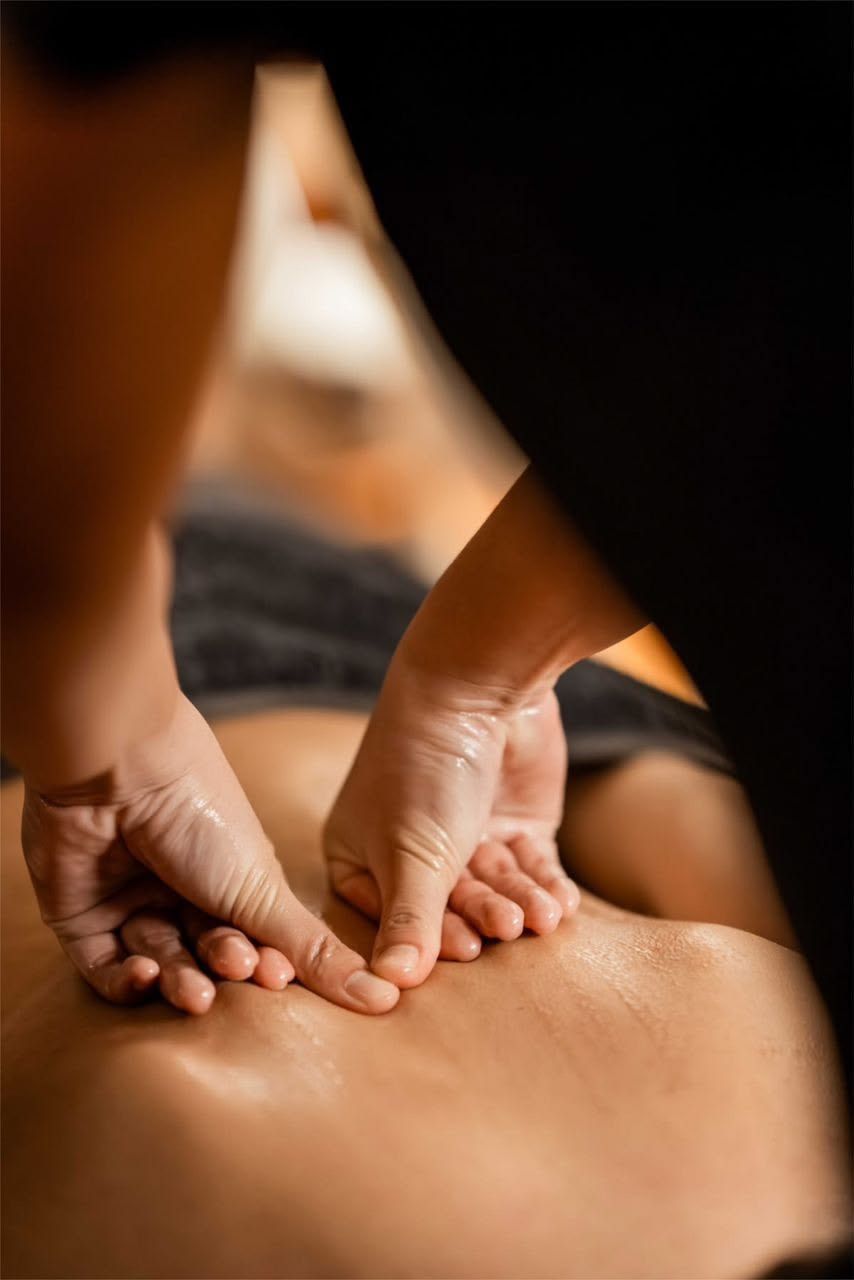
Passive therapy may include massage therapy, electric therapy, heat therapy, or ultrasound therapy.

All of these different kinds of treatment can help reduce pain, stimulate proper blood circulation and speed up the healing process.

Active therapy

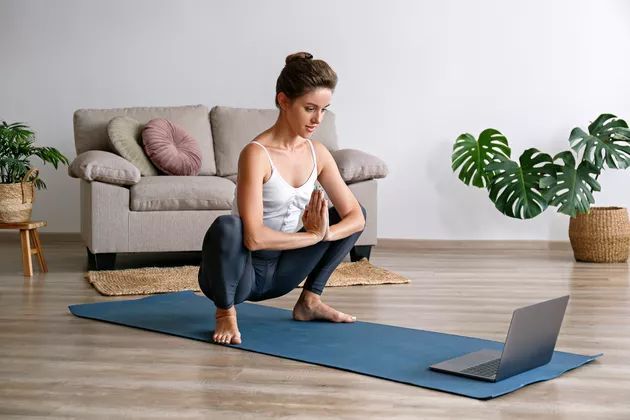
Active therapy includes exercises, specific motions and stretches meant to speed up the healing process and provide pain relief.

Your physiotherapist will educate you on the different stretches and exercises you can do at home for pain relief.

Ultrasound therapy

People typically associate this kind of therapy with pregnant women, but that’s not all ultrasounds are used for! Ultrasound therapy helps relieve pain by sending soothing sound waves into deep tissues for relief.

Massage therapy

Massage therapy helps alleviate sciatic nerve pain. It loosens tight back muscles that may be pressing on the sciatic nerve, and it increases the release of endorphins for pain relief. Heat therapy helps relax muscles and reduce inflammation.

Electrotherapy

Electrotherapy uses electricity to strengthen muscles, reduce pain, increase circulation and improve physical function.

Gentle, pain relief stretches

Physiotherapy will usually use several different forms of care to reduce the pain and symptoms you feel with sciatica. Active therapies, passive treatments, aquatic treatments, and more are available.

On the chance that your physiotherapist finds any weak muscles, you will be given adequate corrective exercises to reinforce your core strength. Not only should these strengthening exercises concentrate on the lower back, but also on the abdominal muscles, hip muscles, and glutes.

All of these exercises help strengthen the spinal column, including tendons, ligaments and supporting muscles, while keeping the spine aligned properly.

The stretching exercises that your physiotherapy will teach you are supposed to target muscles that are stiff and tight.

Hamstring stretching is a normal and essential aspect of the physiotherapy treatment regimen for alleviation of sciatica. A physiotherapist can also be recommended for a curriculum of aquatic exercises. You can exercise comfortably with the buoyancy of the water.

So, how can I tell if I have sciatica?

According to the Mayo Clinic, “Sciatica most commonly occurs when a herniated disk, bone spur on the spine or narrowing of the spine (spinal stenosis) compresses part of the nerve. This causes inflammation, pain and often some numbness in the affected leg.”

Sciatica is typically diagnosed with questions regarding your medical history, alongside a physical exam. Many physiotherapists may also have a CT scan or MRI performed to locate the root cause of sciatica.

A physiotherapist will work with you to:

  • Help you return to normal activities.
  • Improve your flexibility.
  • Improve your range of motion.
  • Reduce sciatica pain.
  • Educate you on how to stand, bend and twist properly so as to prevent future injuries.
  • Increase your strength.

What are you waiting for? Get started today!

If you or a loved one is suffering from sciatica, be sure to call Rosedale Wellness Centre for your personalized appointment with one of our physiotherapists.

A thorough test will be completed, and your physiotherapist will make sure you’re back on your feet in no time at all.

You’re just a phone call away from living a pain-free life—what are you waiting for?

Sources:
By John Velasquez August 26, 2026
See what causes neck stiffness and pain, and find out when a chiropractor for neck pain can help versus when you need the ER.
By John Velasquez August 26, 2026
What to eat and avoid on a fibromyalgia diet, plus a 7-day meal plan, key supplements, and the gut-pain connection.
By John Velasquez August 26, 2026
See how myofascial release therapy works, the techniques used, what it treats, and self-release tips to try between visits.
By John Velasquez August 26, 2026
Prenatal massage eases pregnancy pain, swelling, and anxiety. Here's when it's safe to start and what a session at Rosedale Wellness in Toronto involves.
By John Velasquez August 26, 2026
A guide to scoliosis exercises to avoid, like heavy deadlifts and crunches, plus the safer alternatives our Toronto physiotherapists recommend.
By John Velasquez August 25, 2026
See how acupuncture for anxiety, stress and sleep works, what the research shows, and what a session at Rosedale Wellness in Toronto involves.
By John Son August 11, 2026
Rosedale Wellness Centre Service Fee Update Effective September 15, 2026 At Rosedale Wellness Centre, our priority has always been to provide our patients with high-quality, personalized care in a welcoming and professional environment. We recognize that the cost of living has increased significantly and that many individuals and families are being more mindful of their expenses. We understand that healthcare costs are part of that consideration, and we do not take the decision to adjust our fees lightly. Beginning September 15, 2026 , we will be making adjustments to selected service fees. This represents our first general fee adjustment in approximately two years. These changes will allow us to continue investing in our practitioners, staff, equipment, facilities and services while maintaining the quality of care and patient experience you have come to appreciate from Rosedale Wellness Centre. Physiotherapy Initial Assessments & Treatment 40 minutes — $105 60 minutes — $145 Subsequent Treatments 20 minutes — $80 30 minutes — $100 40 minutes — $115 60 minutes — $150 Registered Massage Therapy 30 minutes — $96 45 minutes — $122 60 minutes — $148 75 minutes — $174 90 minutes — $206 The prices shown above represent the final patient cost, including HST. Osteopathy 20 minutes — $80 30 minutes — $102 40 minutes — $133 60 minutes — $170 The prices shown above represent the final patient cost, including HST. Acupuncture 30 minutes — $90 45 minutes — $115 60 minutes — $140 Cosmetic Acupuncture 45 minutes — $120 60 minutes — $145 90 minutes — $175 Chiropody Initial visit — $115 Subsequent treatment — $85 Why Are Our Fees Changing? We have worked carefully to keep these adjustments as reasonable as possible. Over the past two years, the cost of operating a multidisciplinary healthcare clinic has continued to rise. At the same time, we remain committed to maintaining the level of care, service and support our patients expect. The updated fees help us continue to: Attract and retain experienced healthcare practitioners Support ongoing education and professional development Invest in treatment equipment, technology and clinical resources Maintain our treatment rooms, rehabilitation facilities and clinic environment Provide strong front-desk and administrative support Continue offering a broad range of healthcare services under one roof These investments allow our practitioners and staff to focus on what matters most — your health, your recovery and your experience at Rosedale Wellness Centre. When Do the New Fees Take Effect? The updated rates will take effect on September 15, 2026 . Appointments taking place before September 15 will continue to be charged at the current rates. Appointments occurring on or after September 15 will be charged according to the updated fee schedule above. Please be advised that due to the recent price increase, patients whose appointments are booked within their insurance coverage limits may be slightly over their covered amount. We kindly ask that you plan accordingly and be prepared for any potential additional cost . If you have any questions or concerns regarding your coverage or the price increase, please don’t hesitate to reach out to us. We’re happy to assist you.  Thank You for Your Continued Trust We sincerely appreciate your understanding and continued support. For more than 30 years, Rosedale Wellness Centre has been committed to helping our patients feel better, move better and live healthier lives. We are grateful for the trust you place in our practitioners and our team. These adjustments will help us continue providing the quality of care and level of service you have come to appreciate from Rosedale Wellness Centre for years to come.
By John Velasquez July 22, 2026
How a sports chiropractor in Toronto speeds healing for sprains, strains & runner's knee, with recovery timelines and re-injury prevention tips.
By John Velasquez July 22, 2026
Leaking, pelvic pain, urgency or back pain? Learn the signs you need pelvic floor physiotherapy and what to expect. Book in Toronto.
By John Velasquez July 22, 2026
A trimester-by-trimester pelvic floor exercise guide plus postpartum recovery timeline, diastasis recti tips, and when to see a physio.