Improve Your Balance Today with Core Strengthening Exercises

Become Steady on Your Feet with the Help of Physiotherapy!
Did you know that strengthening your core muscles is related to the development of better balance? It’s true!
When your core muscles are good, they have a better chance of stopping you from suffering chronic lower back pain and other injuries.
They can even stop you from losing your balance or falling over. A strong core helps hold you in an upright position, particularly as you get older and become more at risk of falling and injuring yourself.
If you are interested to learn more about developing a core routine to strengthen your balance, please contact our office. Schedule a meeting with one of our licensed physiotherapists today!
Have you tried the drawing in maneuver?
To start with, stand up straight. Find the right pelvic position by moving your hips forward and backward until you are relaxed. Then take a deep breath and draw your belly button to your spine. Make sure you don’t hold your breath, because this isn’t a breathing exercise!
You’re supposed to be able to speak, breathe, and walk around your house with your belly button pulled in. It sounds pretty straightforward on paper, but if you’re older, recovering from injury, or out of shape in general, it’s going to be a little difficult at first.
The goal is to build up your core strength until you can keep your belly button for 30 seconds. Then you can move on to some more demanding core exercises.
If you feel any pain at all from this maneuver, stop right away, as it shouldn’t be painful!
As you build up your core, your physiotherapist will recommend that you move on to more strenuous tasks and workouts that are better suited to your age and capacity.
They range from bridges and planks for more athletic individuals, to gentler routines (like yoga) for older individuals. Your therapist will also work with you on clear core activities to help you balance.
Improve your core strength and balance with PT!
You don’t need a bunch of expensive gym equipment to start working on your core strength. In fact, here’s a quick exercise that many physiotherapists will recommend if you’re just starting out. It’s called the “drawing in maneuver,” or if you prefer the less fancy term, “sucking your gut in.”
Contrary to what many believe, it’s not necessary to go out and buy a ton of expensive gym equipment or memberships to work on your core strength. According to the Mayo Clinic , any exercise that involves the use of your abdominal and back counts as a core exercise.
Here is a fast and easy exercise that many physiotherapists recommend to patients who are just beginning to work on theirs. It’s referred to as the “drawing-in maneuver.” We all have probably done it before; ever heard of the phrase “suck your gut in?” This is pretty much the same thing!
What should I know about my core?
Most people believe that when you’re working on your core, you’re just doing abs, but your core muscles are more than just abs! There are two types of core muscles: the inner core and the outer core.
The inner core muscles are attached to the spine. These are the muscles that balance the core and hold it in the correct place. The outer core muscles work together with the inner core muscles when you need to rotate your body to perform much of everyday physical activities.
Core stability has to do with the inner core muscles. These muscles are stabilizing for the spine. Core strength relates to the outer core muscles, and when properly formed, works to help you move about with ease.
Frequent visits with a licensed physiotherapist may be able to help you train your inner and outer core muscles for improved balance and movement!
How balance and core strength complement one another
In total, your body has three systems that help regulate and sustain your balance. The first one is the vestibular system, which is responsible for giving your brain the necessary information it needs about how we move, our head position, motor functions, etc.
The liquid in your inner ear functions as part of this system, sort of like a “carpenter’s balance” to keep you level. If you’ve ever found yourself feeling off-kilter or dizzy, it means that the liquid in the vestibular system is off a bit.
The second balancing system is your visual system. Your eyes send informational signals to your brain regarding your position in relevance to the world around you. The third balancing system is the proprioceptive system, which deals with your core and the muscles in that area.
Your proprioceptive nerves are sensory nerves located all over your body. They make you aware of your posture, as well as aware of where you are positioned compared to things surrounding you.
In order to stay properly balanced, all three of these systems need to be in equilibrium. A weak core is one element that can not only throw off this internal equilibrium, but can also make you feel off balance to the point of falling over.
Improve your balance today!
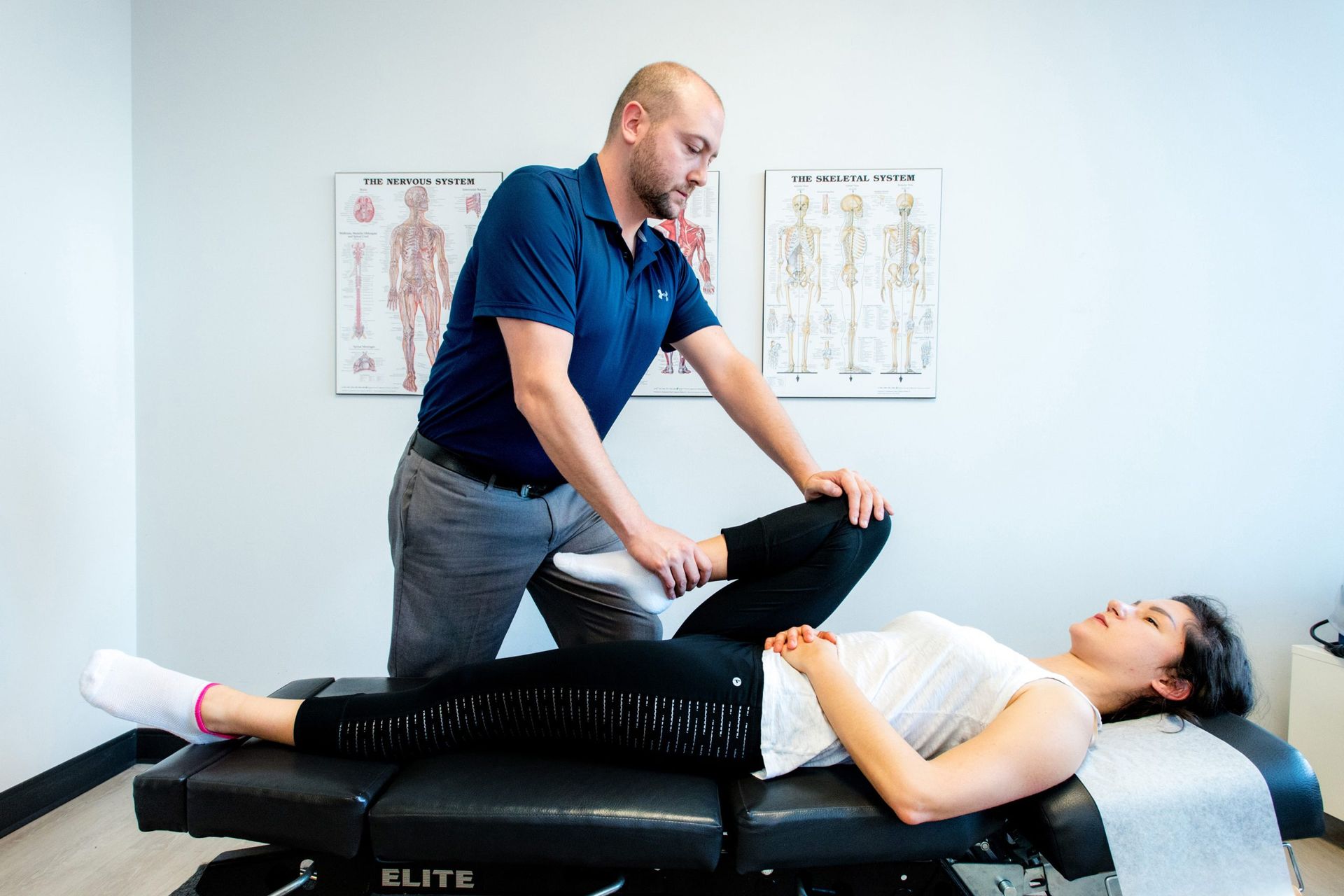
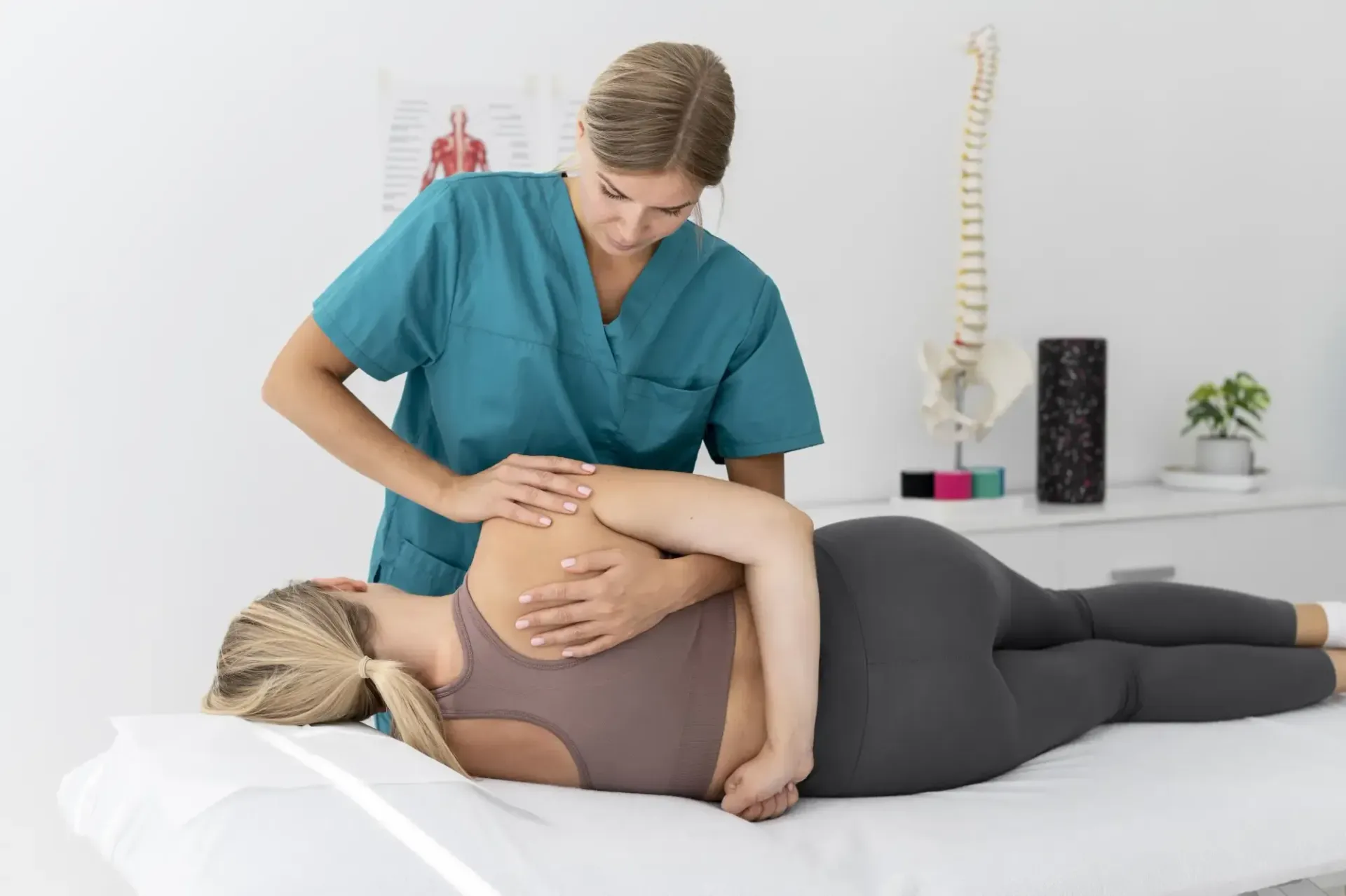
Physical therapy will help if you have a poor core or are struggling with balance!
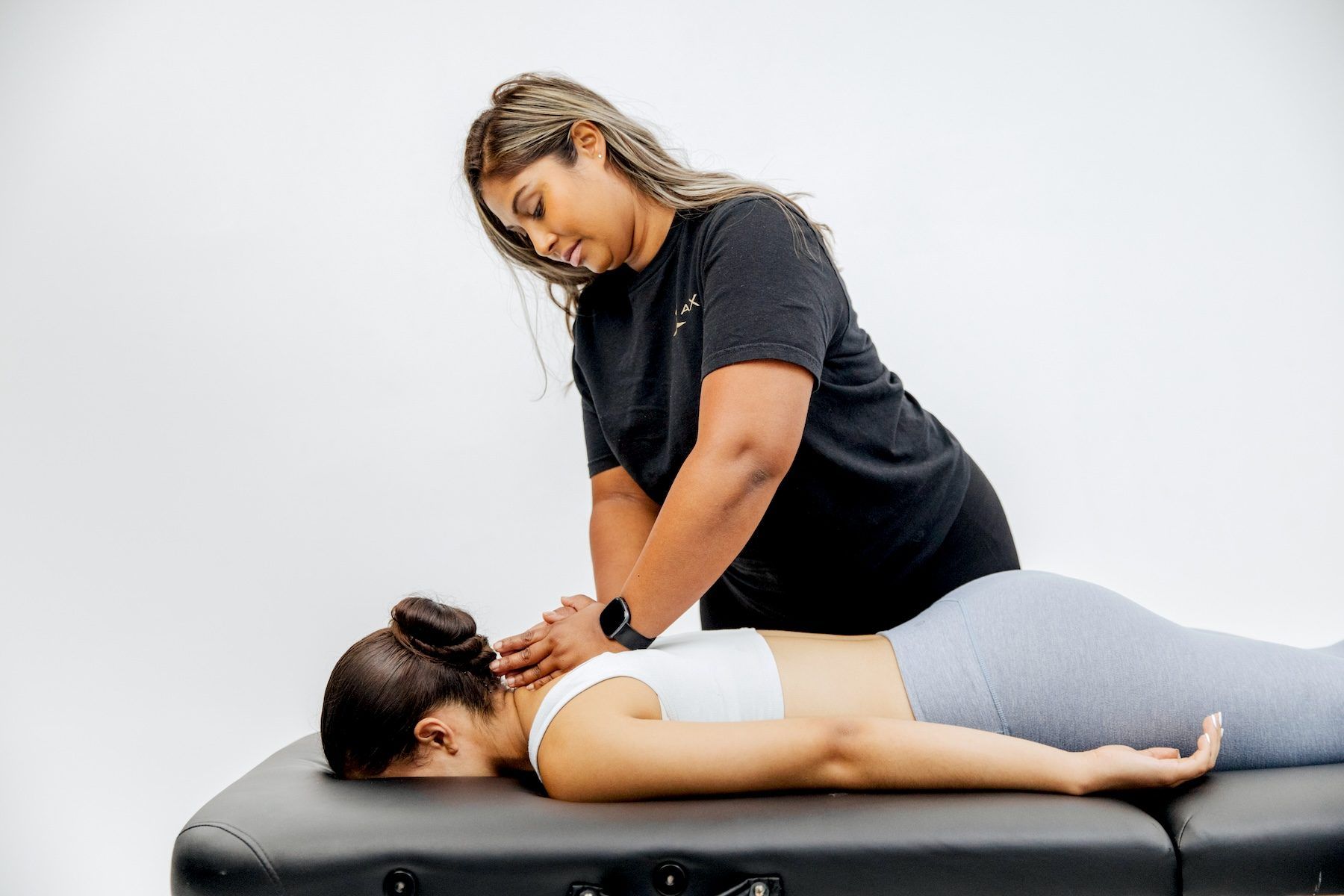
Your physiotherapist will conduct a comprehensive evaluation of your condition, determine your physical ability, and build a personalized care plan to suit your needs.
Please contact Rosedale Wellness Centre and arrange a meeting today to get started with a physiotherapist.
Source:
The post Improve Your Balance Today with Core Strengthening Exercises appeared first on Rosedale Wellness Centre.