Living With Sciatica Pain? Give Physiotherapy Treatment A Try

You Don’t Have to Live in Pain Any Longer
Our bodies are made up of a complex network of muscles, tendons, ligaments, and nerves. Your sciatic nerve is the biggest nerve you have in your body. It stretches from the lumbar spine through the buttocks region, and if there is unnecessary pressure applied to it, it can cause you a world of problems.
Sciatica, also known as “lumbar radiculopathy,” is a very painful condition arising from the inflammation of the sciatic nerve. This kind of pain is commonly felt in the lumbar region and behind the thigh. It is also a common symptom of individuals suffering from sciatica that they feel the pain radiating deep into the lower limbs.
Sciatica can make it painfully hard to bend, walk, and exercise. The most common cause of sciatica is lumbar disc herniation, but it can also be caused by back damage and disc degeneration.
How can physiotherapy benefit me?
Physiotherapy for sciatica is a non-invasive, effective, safe treatment plan that is targeted to the root cause of your pain.
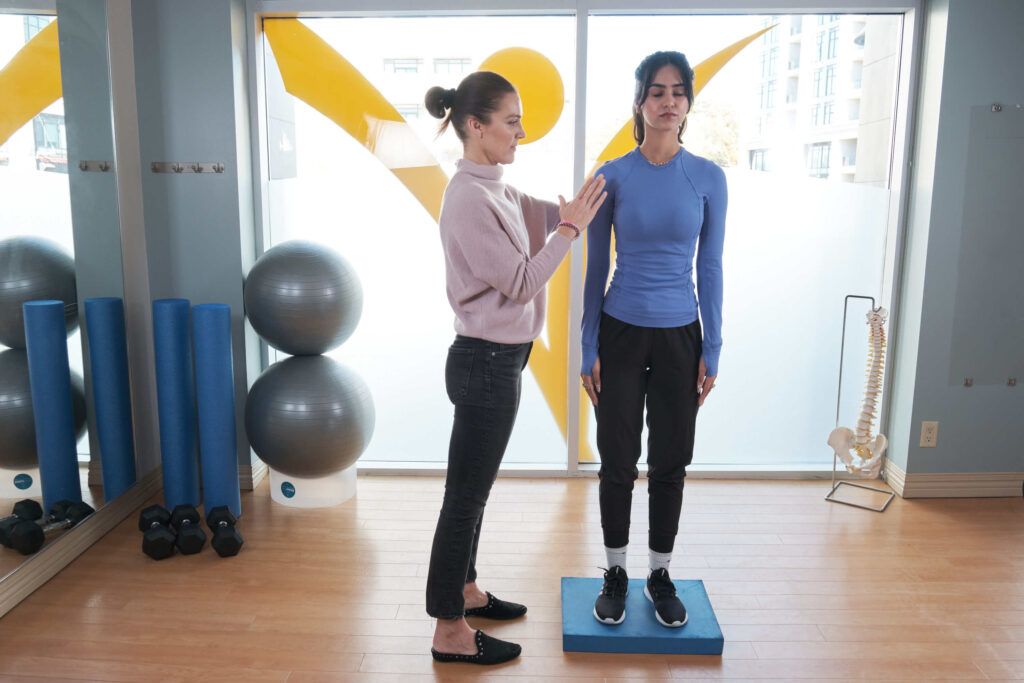
A physiotherapist will devise specialized treatment specific to you and your needs.
Your physiotherapist will help you learn how to prevent sciatica and other pain in the future by teaching you at-home exercises for maintenance.
By practicing good posture, proper body mechanics and staying in good shape, you can also prevent sciatica from occurring again.
What can I expect from a PT treatment plan?
Passive therapy
Passive therapy may include massage therapy, electric therapy, heat therapy, or ultrasound therapy.
All of these different kinds of treatment can help reduce pain, stimulate proper blood circulation and speed up the healing process.
Active therapy
Active therapy includes exercises, specific motions and stretches meant to speed up the healing process and provide pain relief.
Your physiotherapist will educate you on the different stretches and exercises you can do at home for pain relief.
Ultrasound therapy
People typically associate this kind of therapy with pregnant women, but that’s not all ultrasounds are used for! Ultrasound therapy helps relieve pain by sending soothing sound waves into deep tissues for relief.
Massage therapy
Massage therapy helps alleviate sciatic nerve pain. It loosens tight back muscles that may be pressing on the sciatic nerve, and it increases the release of endorphins for pain relief. Heat therapy helps relax muscles and reduce inflammation.
Electrotherapy
Electrotherapy uses electricity to strengthen muscles, reduce pain, increase circulation and improve physical function.
Gentle, pain relief stretches
Physiotherapy will usually use several different forms of care to reduce the pain and symptoms you feel with sciatica. Active therapies, passive treatments, aquatic treatments, and more are available.
On the chance that your physiotherapist finds any weak muscles, you will be given adequate corrective exercises to reinforce your core strength. Not only should these strengthening exercises concentrate on the lower back, but also on the abdominal muscles, hip muscles, and glutes.
All of these exercises help strengthen the spinal column, including tendons, ligaments and supporting muscles, while keeping the spine aligned properly.
The stretching exercises that your physiotherapy will teach you are supposed to target muscles that are stiff and tight.
Hamstring stretching is a normal and essential aspect of the physiotherapy treatment regimen for alleviation of sciatica. A physiotherapist can also be recommended for a curriculum of aquatic exercises. You can exercise comfortably with the buoyancy of the water.
So, how can I tell if I have sciatica?
According to the Mayo Clinic, “Sciatica most commonly occurs when a herniated disk, bone spur on the spine or narrowing of the spine (spinal stenosis) compresses part of the nerve. This causes inflammation, pain and often some numbness in the affected leg.”
Sciatica is typically diagnosed with questions regarding your medical history, alongside a physical exam. Many physiotherapists may also have a CT scan or MRI performed to locate the root cause of sciatica.
A physiotherapist will work with you to:
- Help you return to normal activities.
- Improve your flexibility.
- Improve your range of motion.
- Reduce sciatica pain.
- Educate you on how to stand, bend and twist properly so as to prevent future injuries.
- Increase your strength.
What are you waiting for? Get started today!
If you or a loved one is suffering from sciatica, be sure to call Rosedale Wellness Centre for your personalized appointment with one of our physiotherapists.
A thorough test will be completed, and your physiotherapist will make sure you’re back on your feet in no time at all.
You’re just a phone call away from living a pain-free life—what are you waiting for?
Sources:
The post Living With Sciatica Pain? Give Physiotherapy Treatment A Try appeared first on Rosedale Wellness Centre.