Physiotherapy Can Help With Your Knee & Hip Pain

At any given time, millions of Americans are going through their day with a chronically painful hip or knee. According to the 2006 National Health Interview Survey prepared by the Centers for Disease Control and Prevention, knee and hip pain was reported by almost a combined 30 percent of respondents.
If you’re someone struggling with a painful hip or knee (or even painful hips and knees), we encourge you to call Rosedale Wellness Centre . Our team can offer several customizable and evidence-backed solutions that will improve your pain and function so you can get back on your feet with confidence.
7 Things A Physiotherapist Can Do For Your Hip and Knee Pain
1. Clarify Your Diagnosis
When you see a physiotherapist for your hip pain or knee pain, expect to undergo a thorough physical examination that includes a variety of tests (such as measurements of your range of motion, strength, balance, sensation, joint alignment, and reflexes). Your physiotherapist will also review your family and personal history and collaborate with other medical professionals involved in your care.
This is all done to clarify your diagnosis and identify any additional factors contributing to your hip or knee condition, such as muscle shortness or altered foot mechanics. It also helps provide valuable documentation that can help with things like workers’ compensation or making decisions about when you can safely return to work or sport.
2. Educate You and Your Loved Ones About Your Condition
Your condition is something a physiotherapist will spend a lot of time helping you and your loved ones understand. Having insight into why your hip or knee hurts can motivate you to stay consistent with your treatment plan and make sure you know how to avoid exacerbating your symptoms.
Patient and caregiver education is especially important in certain situations, such as after undergoing a joint replacement surgery. You and your loved ones will need to know what the activity restrictions are from your surgeon, and how to follow them (e.g., knowing the difference between partial vs. toe-toe weight bearing or posterior vs. anterior hip precautions). Physiotherapy following a hip or knee replacement can improve outcomes and reduce pain, so it’s well worth the modest investment in time and money.
3. Prescribe Therapeutic Exercises
Exercise is consistently shown to be one of the most beneficial things you can do for painful hips and knees caused by conditions like osteoarthritis, ligament sprains, and and muscle strains. A physiotherapist can show you which exercises are indicated for you given your current stage of healing and type of injury, and can also help you progress or modify them appropriately.
4. Assess and Modify Posture to Ease Joint Strain
Your posture as you sleep, drive, walk, sit, run, or perform work tasks can all influence the amount of force and pressure transmitted through your hips and knees. A physiotherapist has the trained eye needed to identify and correct postural imbalances so that your hips and knees won’t keep getting excessively stressed throughout your day.
5. Provide Pain Relief Using Non-Invasive Modalities
We’d love to see more studies that clarify the beneficial effects of physiotherapy interventions on chronic joint pain conditions. That said, both clinical trials and individual case reports show that the following treatments can effectively relieve pain and improve function in people experiencing hip and knee pain:
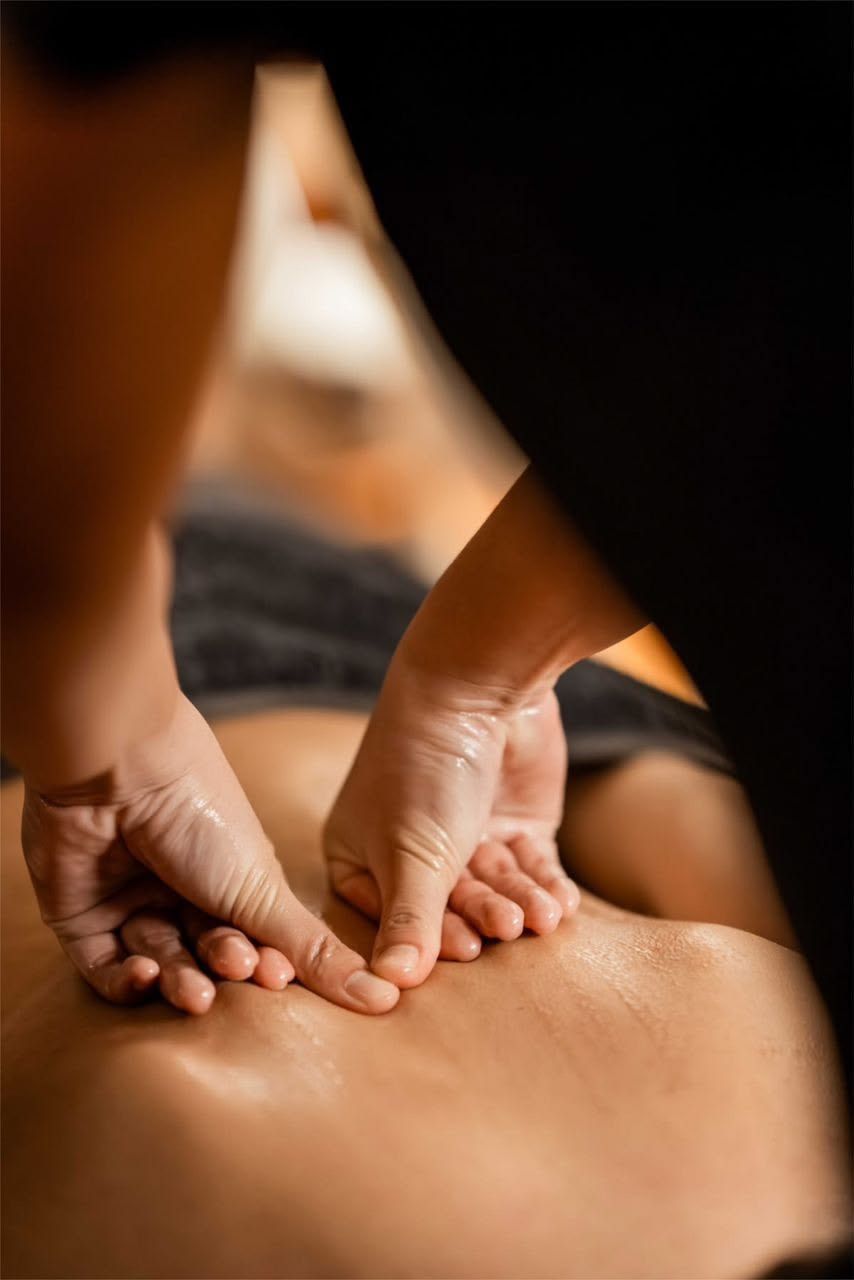
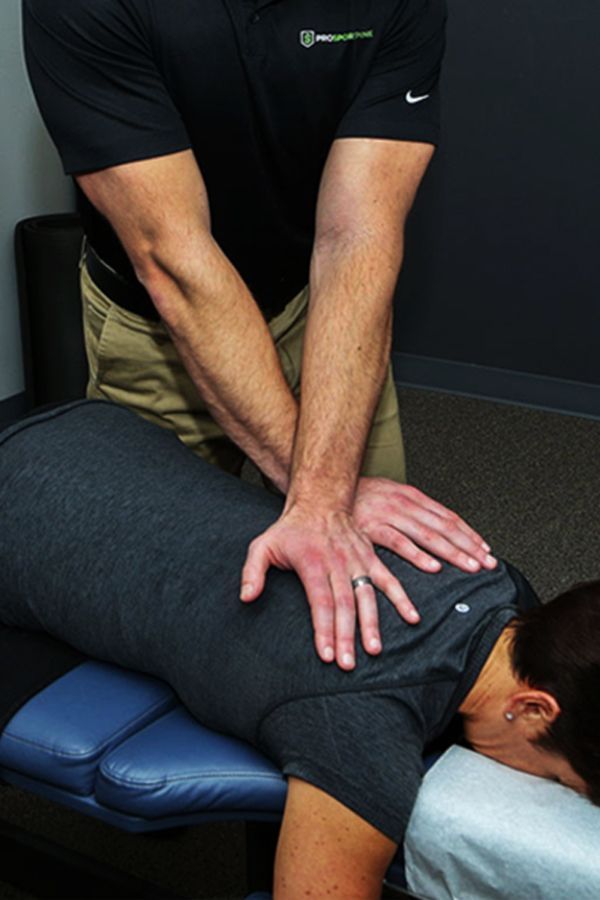
- Manual therapy (e.g., soft tissue mobilization, joint mobilization)
- Athletic taping (also called kinesiotaping)
- Therapeutic ultrasound
- Electrical stimulation
- Cryotherapy
Like therapeutic exercise, these physiotherapy interventions are non-invasive, opioid-free, and safe for people of all ages. Your physiotherapist will get to know you and your medical background to ensure all elements of your individualized treatment plan are appropriate and indicated for your needs and goals.
6. Teach You How to Use Adaptive Equipment and Devices
In many situations, you may benefit from the temporary or permanent use of adaptive equipment or devices that can help you control knee or hip pain. A physiotherapist can teach you how to use these devices effectively and make sure the correct one is selected for your situation.
Common devices that benefit our hip and knee pain patients include:
- Walkers, crutches, or canes
- Custom or pre-fabricated orthotics and braces
- Grab bars, raised toilet seats, shower chairs, bed canes, and other devices that makes it easier to function within your environment
7. Implement Injury Prevention Strategies
Part of managing your chronic joint pain is understanding when and how to safely modify your functional activities in order safely get through your day. This is especially important with issues like hip and knee pain , since dysfunction in these joints can increase the risk of balance problems and falls, especially among older adults.
When you have a chronically painful hip or knee, a physiotherapist can help you learn how to implement injury prevention strategies such as:
- Teaching you how to minimize joint strain while going in and out of a car, up and down stairs, in and out of bed, etc.
- Instructing in energy conservation strategies to promote better pain control and activity participation
- Making recommendations for environmental and ergonomic modifications in the home and work environment
Frustrated by Chronic Hip and Knee Pain?
Call Rosedale Wellness Centre today to schedule an appointment with a physiotherapist and start gaining more control over your hip pain or knee pain.
The post Physiotherapy Can Help With Your Knee & Hip Pain appeared first on Rosedale Wellness Centre.