How Nutrition Can Decrease Inflammation and Pain

When people say they want to improve their diet, their inspiration is often to lose weight, avoid an allergy, gain muscle, improve their skin, or increase their athletic performance. What we don’t hear quite as often is, “I want to improve my diet in order to alleviate my chronic pain.”
The truth is, making some simple changes to your diet really can improve your pain! Call our office now if you’d like to schedule an appointment with a physical therapist who can help you start living pain-free. And keep reading to learn about what kind of foods you can eat that will optimize your results with physical therapy.
The Link Between Nutrition, Inflammation, and Pain
Inflammation is your body’s way of responding to an injury or illness. Think of it as your immune system sounds the alarm and launching an attack against a potential threat, which could be something like a bacteria, virus, splinter, or sprained ankle.
In the short term, an inflammatory response is normal, healthy, and beneficial. But if inflammation lasts for a long time, it can start to wear down the immune system, damage tissues and organs, accelerate cellular aging, and increase the risk of chronic health conditions. Heart disease, cancer, obesity, osteoarthritis, and autoimmune conditions (in which the immune system attacks the body’s own cells and tissues) are all associated with chronic inflammation.
Can you think of another condition associated with inflammation? You guessed it. Chronic pain.
Now, here’s where nutrition comes in:
Doctors know that if inflammation increases in the body, pain can get worse. Meanwhile, by reducing or controlling inflammation, a person will often see significant improvements in their pain level. And a growing body of research shows certain foods and beverages increase inflammation in the body, while other foods reduce inflammation in the body. This is the key mechanism by which nutrition can influence pain.
Foods that tend to promote inflammation can do so in several ways:
- They may rapidly spike blood sugar levels
- They can increase the number of free radicals in the body, which are unstable molecules associated with a damaging process called oxidative stress (sometimes compared to the process of rusting on metal)
- They often are made with artificial ingredients, fillers, and preservatives (in addition to promoting an inflammatory response, these chemicals may irritate friendly gut bacteria in the digestive system, which can negatively affect metabolism, nutrient absorption, and even mood)
- They often lack the micronutrients necessary for building healthy tissues and supporting key physiological processes in the body
- In some people, certain foods may trigger allergic reactions that can be harmful
Interestingly, research also shows that excessive fat cells in the body release inflammatory compounds. With this in mind, any type of diet or eating pattern that promotes weight gain and obesity can be considered to promote chronic inflammation. This is a major reason why obesity is a leading risk factor for chronic pain.
Foods that tend to reduce inflammation in the body generally have the opposite effect. They don’t usually spike blood sugars quite as high or as quickly. They tend to be minimally processed and made with whole ingredients. And they almost always are rich in micronutrients, like vitamins, minerals, antioxidants, and enzymes that fight oxidative stress, reduce inflammation, provide the raw material needed to make healthy tissues and cells. They also tend to be relatively lower in calories but higher in fiber, which helps combat obesity.
The Best Foods To Eat (And Avoid) To Improve Pain and Inflammation
There are a few key nutrition principles you can follow that may help you control your chronic pain.
First, avoid foods that promote inflammation, which include highly processed goods, sugar-sweetened beverages, alcohol, and processed meats. According to the Arthritis Foundation, some of the top inflammatory foods to avoid include:
- Refined sugar: this includes table sugar and high fructose corn syrup, both of which are added to everything from ketchup and salad dressings to canned goods.
- Trans fat: this is basically a type of fat made in a laboratory and is often added into junk food. Fortunately, trans fats are banned in the United States, but they still may be used in other countries.
- Omega-6 fatty acids: the standard American diet contains too many omega-6 fatty acids (found in things like corn, sunflower, safflower, soybean, and sesame oils) relative to omega-3 fatty acids (found in things like fatty fish and olive oil). This imbalance of omega 6 to omega 3 fatty acids is shown to be inflammatory.
- Refined carbohydrates: this includes most bread, pasta, cereals, crackers, chips, and other snacks, which tend to be higher on the glycemic index (a scale that measures how quickly a food raises blood sugar). Many also contain gluten, a protein that triggers an inflammatory response in some people, including those with celiac disease.
- Mono-sodium glutamate (MSG): This additive is often found in fast foods and other prepared meals.
- Dairy: for some people, dairy products like milk, cheese, and yogurt are problematic due to a sugar called lactose and a protein called casein. Dairy products are also often high in saturated fat and dense in calories, which may further promote inflammation and weight gain.
- Aspartame: this and other types of non-nutritive sweeteners are found in things like diet soda. Research on aspartame’s effect on the human body is mixed, but it’s possible that some people’s immune systems may see these artificial sweeteners as “foreign substances” and therefore launch an inflammatory response against them.
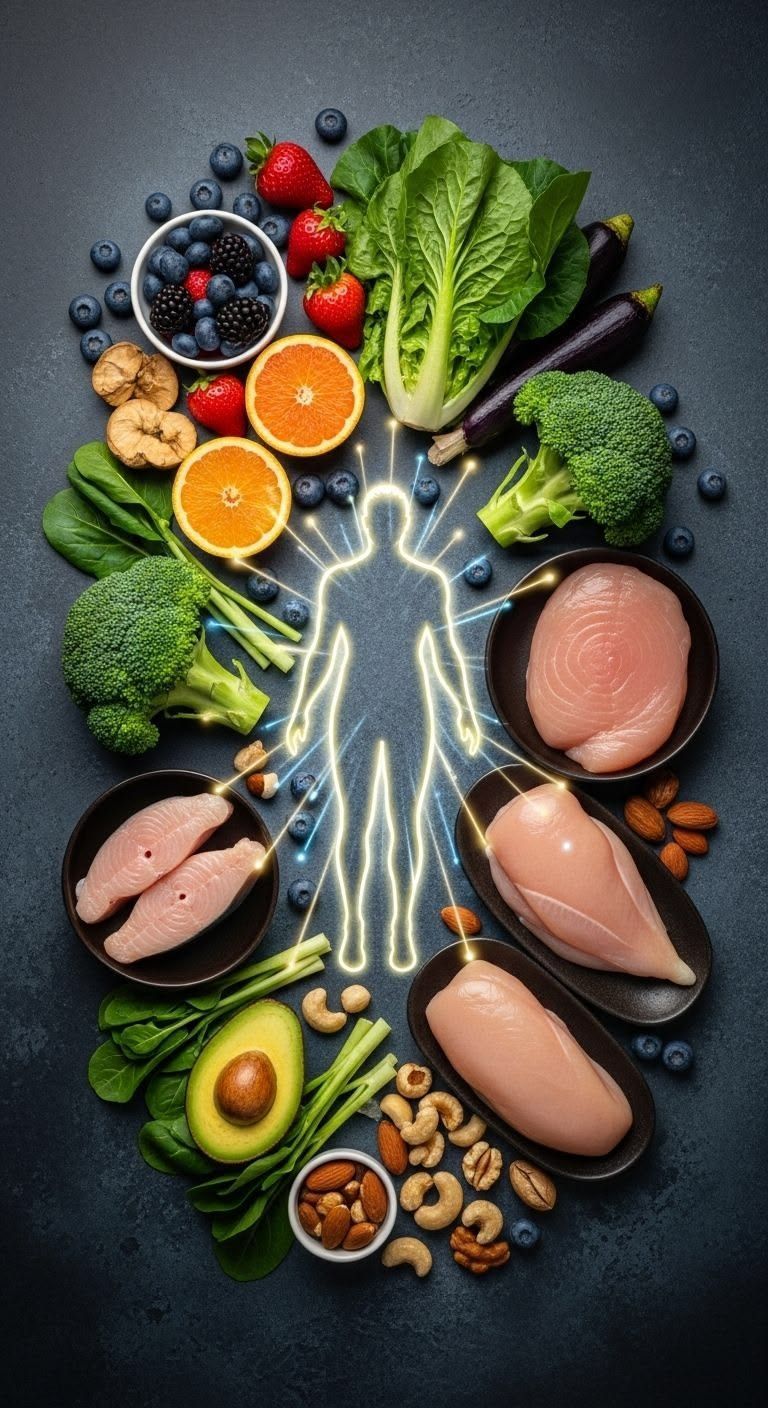
Second, make sure the majority of your diet consists of whole, natural, and minimally processed foods that are anti-inflammatory and rich in nutrients, including:
- Fresh or frozen vegetables and fruits (canned is okay, too—just watch for additives)
- Complex carbohydrates like legumes and whole grains
- Nuts and seeds
- Olive oil
- Quality protein sources including chicken, fish, shellfish, lean meats, eggs, and beans
- Fermented foods like kimchi, tempeh, and sauerkraut (these contain gut-healthy probiotics)
Third, make sure to stay well-hydrated and practice other complementary lifestyle habits like daily exercise, stress reduction, good hygiene, and injury prevention strategies.
Are You Getting The Most Out of Your Physical Therapy?
Contact our physical therapy office today to schedule an appointment with a physical therapist and get back in control of your pain. We’re happy to discuss lifestyle and diet interventions as a way to optimize your physical therapy outcomes and can refer you to other specialists who can help you develop a pain-free diet.
The post How Nutrition Can Decrease Inflammation and Pain appeared first on Rosedale Wellness Centre.