Discover Pain Relief with an Anti-Inflammatory Diet
Living with Pain? Changing Your Diet Could Help
Are you living with persistent aches and pains? If so, you may benefit from an anti-inflammatory diet. Maintaining a healthy diet plays a vital part in any Physiotherapy routine.
Proper nutrition is important, especially if you deal with chronic inflammation and pain. Eating the right foods can help your body recover from many different painful conditions.
Reducing stress, eating healthy meals, and getting regular exercise all work together to decrease pain.
If you are interested in learning more about how to adjust your daily routine to improve your condition, contact our office to schedule a consultation with one of our licensed physiotherapists.
What can I do to help decrease my inflammation?
You should notice a dramatic improvement with your pain and inflammation symptoms pretty quickly after beginning (and sticking to) the dietary recommendations above.
Another great way to combat inflammation is by losing excess weight, so that will also help.
Make sure to work daily exercise into your routine, and take time out of your day to manage your stress.
Go on a long walk with your dog in the park, take up a yoga class, and consult your physiotherapist about proper stretching techniques to reduce inflammation.
What can I do to improve my diet?
Inflammation does not have to rule your life. One of the best ways to combat inflammation? Taking a trip to your local grocery store!
Patients report being able to successfully reverse their symptoms by eating healthy, anti-inflammatory diets.
Since the body is busy purifying itself during the inflammation process, eating a diet of anti-inflammatory foods that complement the removal of toxins can help speed that up!
Some dietary suggestions include:
- Making mindful dairy and grain choices. There is no surprise eating tons of dairy products and grains like pasta and rice isn’t good for you.
Avoid simple carbs and sugars as much as possible to make your immune response strong. That means no pastries, no white bread, and no donuts, which might feel like a struggle in the beginning, but your body will thank you for it later!
You can still have whole grains such as barley, oats, wheat, and brown rice. Dairy products should be limited as well, so make sure to cut back on cheese and milk. Opting for nut milk, such as almond or cashew, is a good idea.
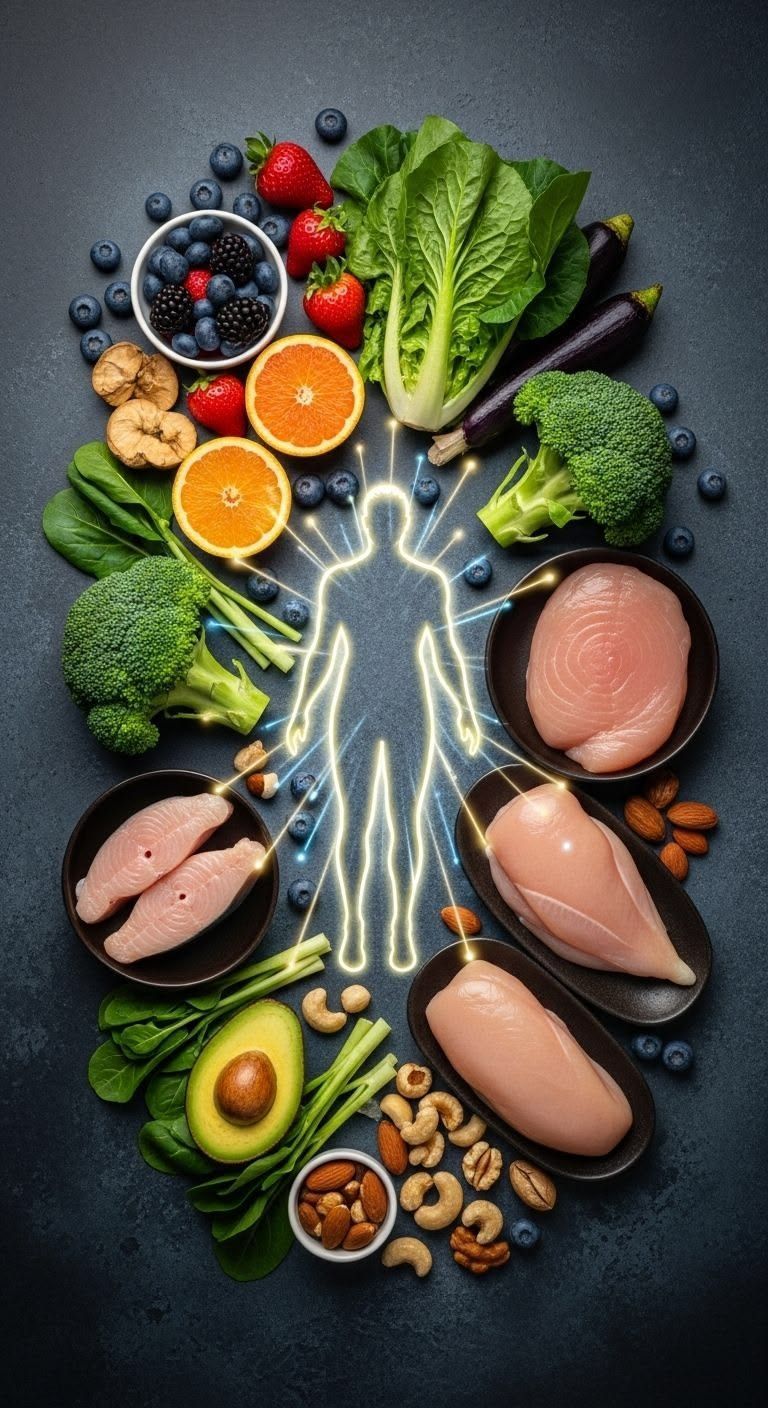
- Eating those green veggies! Vegetables are a necessary component to any healthy diet, but especially to an anti-inflammatory one. All vegetables are good to add to your plate, but brussel sprouts, broccoli, cauliflower and cabbage are the best options.
It is also a good idea to load up on raw vegetables each day, preferably nine servings. If nine servings of veggies seems like a lot to you, no problem!
You can substitute fruit in for some of those servings to give yourself some variety. Limiting the amount of processed foods you’re taking in will help immensely with inflammation.
- Decreasing your red meat intake. Proteins in red meat require your kidneys to do a lot of extra work to process it. This slows your healing process way down if red meat is prominent in your diet!
If you want to reduce inflammation, it’s important to cut back on how much steak, beef, sausage, bacon, and other red meats you’re having.
Your maximum limit should be a single serving of red meat once a week. You don’t have to do away with meat altogether though — fish and chicken are fine for an anti-inflammatory diet! They go great with vegetables too.
So, why am I experiencing pain and inflammation?
If you are feeling pain in any area of your body, it is safe to say that there is probably inflammation in that location.
Inflammation is part of the body’s healing process, and it is also our immune response to getting sick or being injured. Your immune system is triggered whenever you receive a wound, have tissue damage, or an infection in your body. An injury cannot heal without inflammation, as crazy as that sounds!
However, if inflammation continues for too long, it can become a chronic condition, and you will need to see a physiotherapist about it to discuss treatment options. Your physiotherapist will be able to get the issue under control so that you do not suffer from worse outcomes, such as heart disease, diabetes, arthritis , and more.
Common methods of dealing with inflammation include cutting down on exercise and physical activity and taking medication. However, not getting enough exercise can put you in a worse position than you were in before the inflammation began.
Medications can also cause unpleasant side effects. Your physiotherapist will be able to show you simple stretches and exercises to relieve pain, and also teach you about how diet and proper nutrition can benefit you more in the long run.
Ready to get started?
We can make an appointment for you to meet with a physiotherapist and learn more about pain management, and how to get back to living a pain-free lifestyle.
The post Discover Pain Relief with an Anti-Inflammatory Diet appeared first on Rosedale Wellness Centre .